Miami Rental Listing Scams in 2026: 8 Ways Owners Can Protect Their Ads
By
Attilio La Manna
Updated November 3, 2026. A Miami owner can advertise a legitimate rental and still discover a fraudulent copy online. Criminals may reuse photos and descriptions, substitute their contact details, and request deposits or personal documents. A Federal Trade Commission analysis published in December 2025 described nearly 65,000 rental-scam reports since 2020 and approximately $65 million in reported U.S. losses. Those national reports are not Miami-specific figures. Here is a practical prevention and response plan for owners.
1. Create an authoritative listing record
Save the approved address, unit number, rent, deposits, availability, accurate photos and authorized contact information. Record when each detail changes. If an agent markets the property, agree on approved channels and who answers inquiries. Keep dated copies of the legitimate advertisement so you can demonstrate what was copied.
2. Search your address on multiple platforms
Search the exact address and distinctive phrases from your description on listing websites and social networks. Compare phone numbers, email addresses, rent and payment instructions. The FTC explains that criminals sometimes copy real advertisements and replace the contact details. An apparent duplicate is not automatically fraudulent—legitimate syndication exists—but unexplained discounts and unknown contacts need investigation.
3. Make verification easy for applicants
Maintain one independent contact route through the owner or authorized brokerage. Tell interested renters to verify a marketplace advertisement through that channel, not solely through the phone number shown in the ad. A polished photo, social-media profile or virtual tour does not establish that someone has authority to collect money for the property.
4. Explain payments and protect personal data
Describe the application sequence, any applicable charges, the verified payment recipient and when documents are requested. Never ask applicants to post identity documents, paystubs or banking details in public comments or send them to an unverified account. Use a controlled application process and restrict access to sensitive records. The FTC warns about demands for difficult-to-recover payment methods and premature requests for private information.
5. Control tours, keys and access codes
Schedule visits through the owner, manager or authorized agent. Do not publish lockbox combinations or alarm credentials. Record who is showing the unit, and respect building access policies and existing residents' privacy. Even a genuine-looking self-guided tour does not prove that the person asking for a deposit is authorized to lease the home.
6. Give everyone the same message
Prepare a short response stating the official asking rent, authorized contact, viewing process and where to report suspicious duplicates. Make sure assistants and agents use consistent information. A third-party payment should never be treated as proof that a unit is reserved. Keep a dated inquiry and incident log without collecting unnecessary personal data.
7. Act on an impersonated listing
Preserve the suspicious URL, screenshots, price, contact details and timestamps. Report it to the hosting platform and alert your legitimate marketing team. If someone may have been defrauded, recommend appropriate reporting channels. The FTC advises reporting scams to the platform, local law enforcement and ReportFraud.ftc.gov. Avoid posting a victim's information or making unsupported public accusations.
8. Five checks before your next listing goes live
- Do all authorized ads show the same rent and availability?
- Is the official contact easy to verify independently?
- Are application and payment steps clearly documented?
- Are keys, tours and entry credentials controlled?
- Is there a plan to report and document suspicious copies?
List your Miami rental with a transparent process
Trust begins before a lease is signed. Owners can help protect applicants through accurate marketing, secure communications and respectful showings. Share your property through the Get2Living Rental Owner Inquiry to discuss your rental strategy. No monitoring method can guarantee that third parties will never copy an advertisement.
Sources and photo
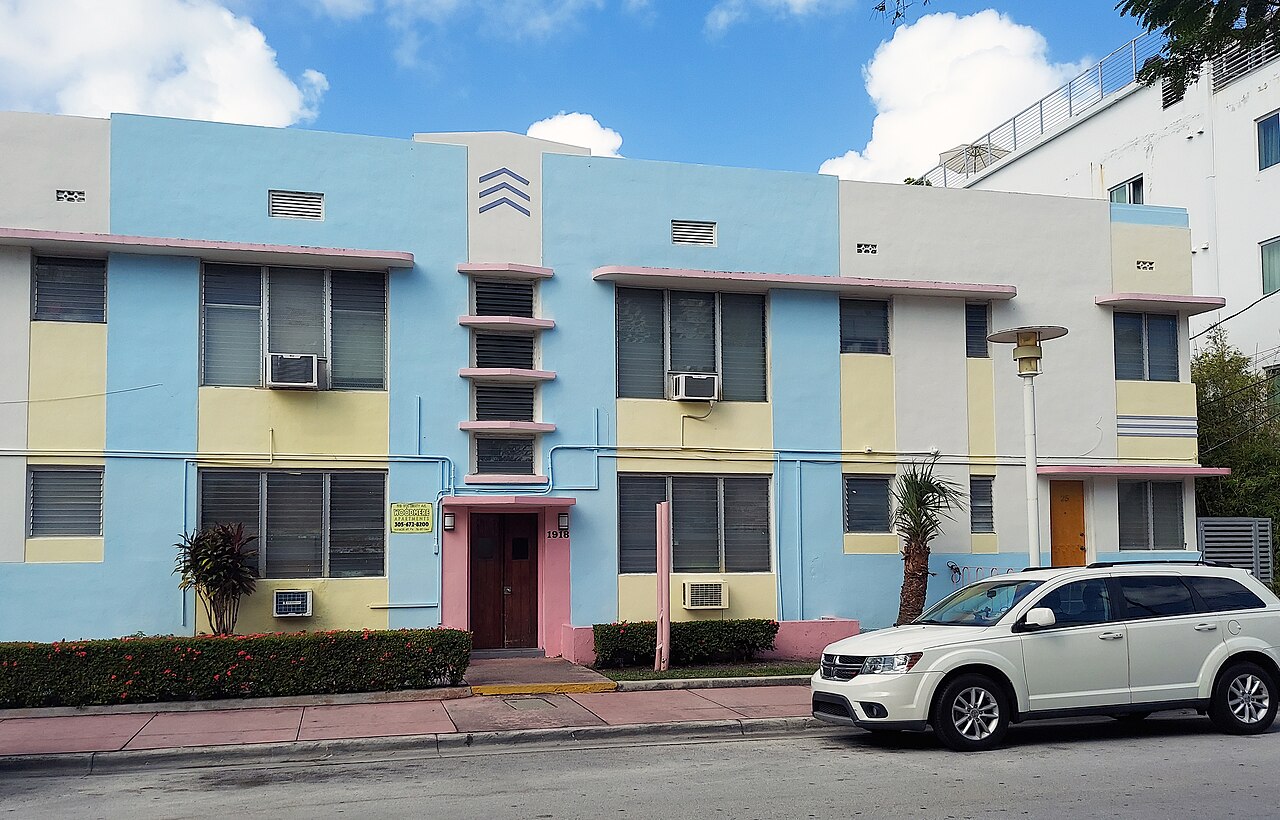
Reviewed November 3, 2026: FTC, December 2025 rental-scam analysis; FTC, Rental Listing Scams; FTC, July 2026 rental-scam alert. Photo: P. Hughes, Miami Beach apartment building, November 8, 2024, CC BY 4.0. Authentic illustrative photograph, not a Get2Living listing or a property connected to fraud; no intentional alteration. Educational content, not individualized legal or financial advice.