Allapattah Miami in 2026: 8 Buyer Checks Before You Choose a Home
By
Attilio La Manna
Updated October 29, 2026. Allapattah is not one uniform Miami housing market. Older homes sit near commercial and industrial uses, while a Metrorail station serves part of the neighborhood. This mix deserves address-by-address research. A listing photograph cannot establish what is permitted on a parcel, whether a renovation was approved or how a street feels at different times. Here are eight practical checks before choosing a home—not a prediction of future prices.
1. Walk the exact block—not just the neighborhood
Visit the address in daylight and at another useful time. Notice loading activity, street crossings, shade, lighting, noise, sidewalks and everyday services. A beautifully renovated interior may face a busy road or a working warehouse. Think about your actual commute, where you would walk and how the surroundings support rest. Ask about parking and access instead of assuming every Allapattah street feels the same.
2. Check the parcel's Miami 21 zoning
Start with the City of Miami interactive zoning map. Search the precise address or folio and examine zoning, future land use, flood and historic layers. A neighboring building or a broker's description does not establish development rights on your parcel. If you want to add a unit, convert a structure or open a business, ask the appropriate city department and qualified professionals to confirm what is possible before committing money.
3. Compare the listing with public property records
Use the Miami-Dade Property Appraiser's search to review the parcel, recorded characteristics and assessment information. These records serve property-tax purposes and may not capture every recent alteration. Compare the advertised bedrooms, floor area and lot description with a survey, title documents, seller disclosures and the actual home. An inconsistency deserves an explanation and further verification; it does not automatically prove that something was done improperly.
4. Verify renovation permits and final inspections
New kitchens and bathrooms are attractive, but finishes are not evidence of authorized work. The City of Miami permit-history guide explains how to search by address, folio or permit number and review permit and inspection records. Ask about additions, structural work, electrical changes, plumbing and roof replacement. A permit application, an issued permit and a completed final inspection are different stages. Arrange an independent inspection and specialist reviews when appropriate.
5. Investigate flood exposure at the specific address
Consult the Miami-Dade flood-zone guidance and request property-specific insurance quotations. The county explains that FEMA maps identify mapped flood hazards but may not reflect every flooding problem. Ask about previous water intrusion, roof condition, drainage and foundations. Being outside a mapped high-risk zone does not guarantee that flooding cannot occur. Review both the risk and the ongoing cost of protecting the property.
6. Test the Metrorail journey you would actually use
The county's official Metrorail map identifies Allapattah station. Walk or map the real route from the property, including intersections and exposure to heat or rain. Check current schedules and connections for your own work hours. Rail access is meaningful when it fits your routine; it is not a guarantee of rental demand, resale value or appreciation.
7. Separate nearby redevelopment proposals from completed projects
If a listing mentions new buildings, arts activity or a changing neighborhood, ask for the project name and official status. A proposal, a zoning request, an issued building permit and a completed building are not interchangeable. Look at neighboring parcels and consider construction noise, traffic, privacy and changes to sunlight. Do not treat an unbuilt amenity as if it already exists or assign it a certain future value.
8. Budget for the full cost of ownership
Request estimates for property insurance, flood coverage if appropriate, inspections, financing, property taxes after a possible reassessment and routine maintenance. Older structures may require work that is not visible in listing photos. For a condominium, also review association dues, reserves and possible assessments; for a house, consider the roof, drainage, utilities and yard. Compare total initial and monthly costs with your budget rather than looking only at the asking price.
Buyer checklist and next step
Walk the block; verify the folio, zoning, permitted use and renovation history; obtain an independent inspection; check flood exposure and insurance; test your commute; distinguish proposed developments from completed ones; and budget for ongoing ownership costs.
Explore Miami with Get2Living
Compare our Wynwood guide and Downtown Miami guide, then share your budget, preferred areas and timing through the Get2Living buyer inquiry form. We can help organize viewings and questions; every property's condition, legal status and availability require individual verification.
Sources and photo credit
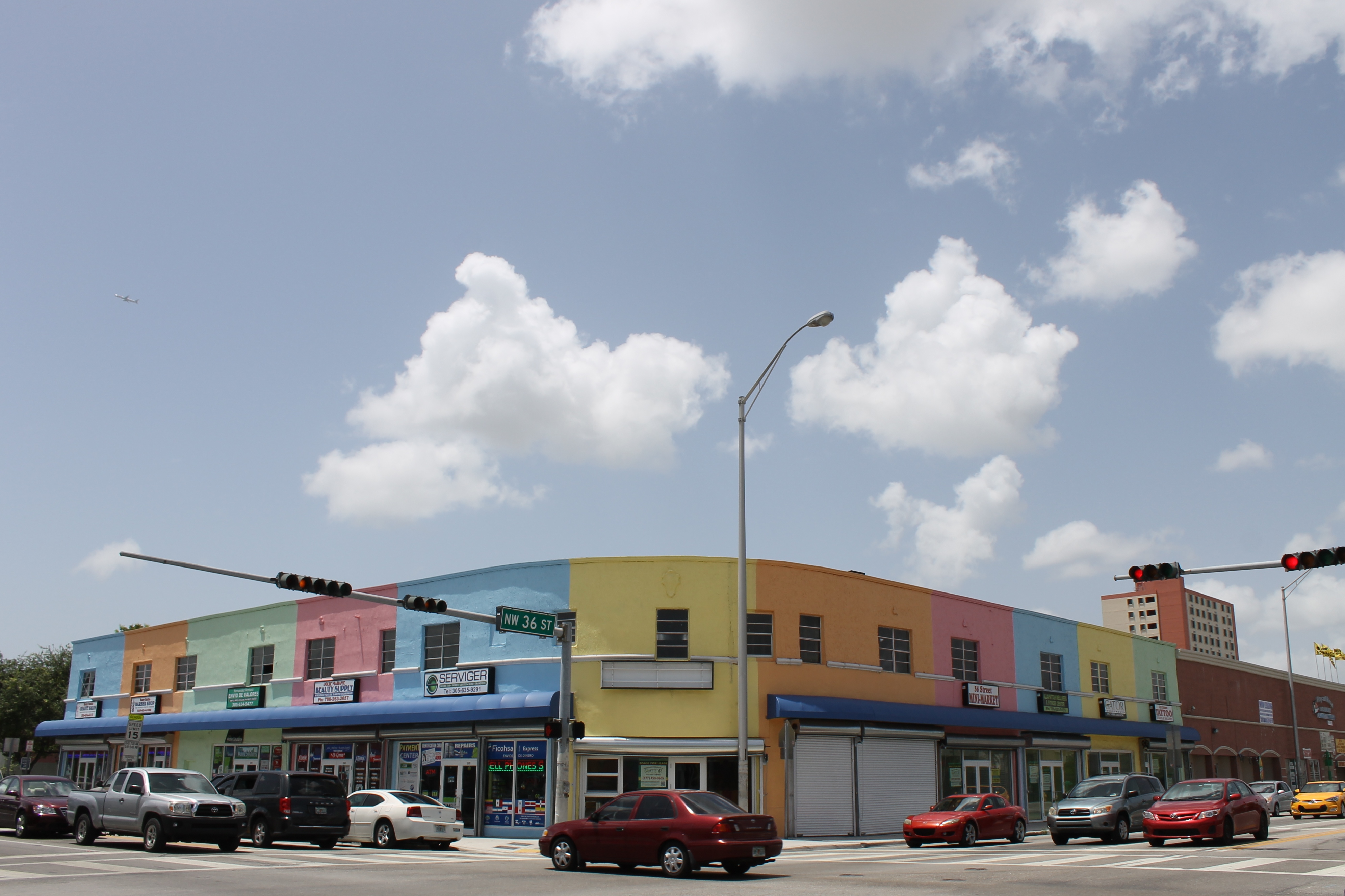
Official sources reviewed October 29, 2026: City of Miami zoning GIS; Miami-Dade property search; City of Miami permit history; Miami-Dade flood-zone guidance; Miami-Dade Metrorail map. Photo: Phillip Pessar, Downtown Allapattah, August 18, 2014, CC BY 2.0; unmodified historical neighborhood photograph, not a current listing. Educational information only, not personalized legal, engineering, insurance or investment advice.