Miami Transit 2027: New Fare, Saved Bus Routes & Where to Live
By
Attilio La Manna
October 19, 2026. Miami-Dade's newest transit decision affects more than bus tickets: it matters to people comparing homes, neighborhoods and daily commuting costs. On October 6, county commissioners approved a future fare increase designed to preserve essential bus connections. Here is what is confirmed and what home seekers should check.
The approved fare change begins in January 2027
According to Miami-Dade County's October 6 announcement, the standard Metrobus and Metrorail fare will rise from $2.25 to $2.75 in January 2027. This is a scheduled change, not a fare already in effect in October 2026. Together with minor Metrorail operating adjustments, the county expects approximately $9.2 million in revenue. That figure is an official projection, not a guaranteed result.
Thirteen bus routes preserved: why it matters
The county says the decision will preserve service on 13 routes that had been slated for elimination starting in March 2027. The restored coverage includes late-evening connections and places with limited alternatives. The announcement names 24-hour Routes 11, 79, 77, 3 and 27, and coverage affecting Biscayne Park, 125th Street, West Miami and other areas. The county estimates that roughly 4,200 daily riders and over 1.3 million annual trips will benefit. These are systemwide estimates, not a promise of service at any individual address.
Some reductions remain on the table
The same county announcement describes other 2027 service adjustments, including reductions to some late-night and limited-stop routes. Do not assume every bus will run at the same frequency next year. Check current route maps and timetables, and revisit them before moving.
Downtown's free Metromover and urban mobility
Miami-Dade describes the Metromover as a free elevated system connecting Downtown Miami, Omni and Brickell, with 21 stations. The county is also working on equipment reliability upgrades. For a resident, the useful question is not simply whether a building is near transit, but whether the station, sidewalks and operating hours match the actual trip.
Five checks before renting or buying near transit
- Test the full commute: walk, wait, ride, transfer and walk again at your usual hour.
- Check nights and weekends: essential for hospital, restaurant and shift workers.
- Calculate the total cost: housing, parking, fares, insurance and building fees.
- Check access: elevator status, weather exposure and backup transportation.
- Review discount eligibility: the county explains reduced-fare programs on its Transit Pass page.
Find a home that works for your daily life
Get2Living can help compare Miami properties by budget, location and practical travel needs. Request rental options or tell us about your purchase search. Better connections can improve convenience, but they do not guarantee property appreciation or rental income.
Sources: Miami-Dade County, October 6, 2026; Metromover service information; Metrobus routes; Transit Pass programs. Dates, fares and service plans may change. General information only, not legal or financial advice.
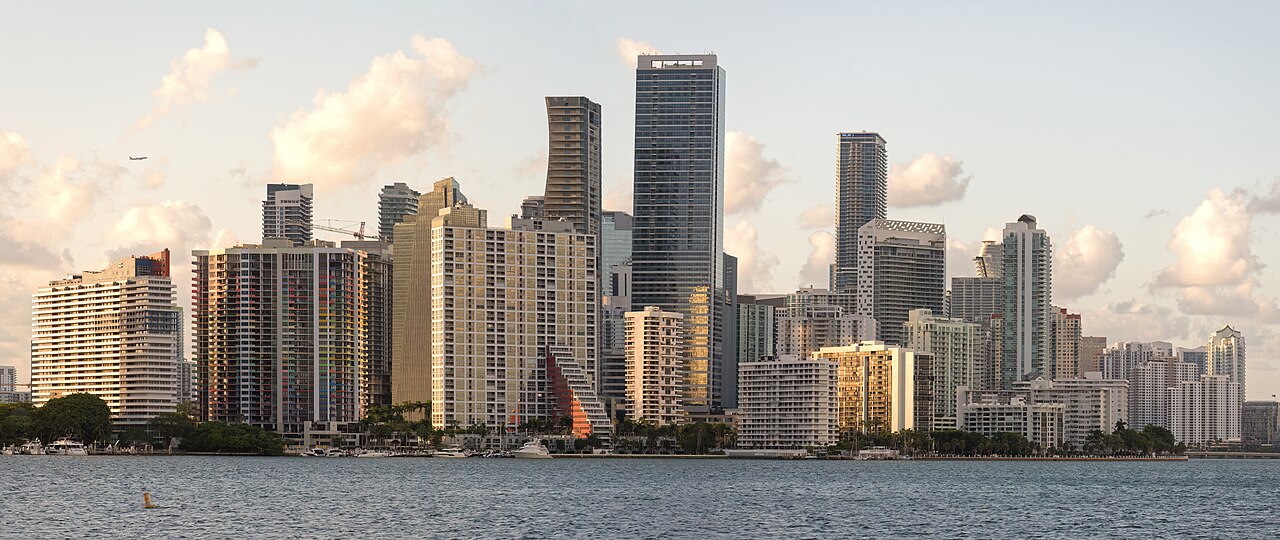
Illustrative photograph: authentic Miami skyline by Wilfredor, CC0 public domain. The image is not a photograph of the 2026 transit decision.